
Insurance
Home inventory for insurance
After a fire, flood or break-in, your insurer will ask for a list of what you owned. Writing that list from memory, after the fact, is hard and people forget a lot. Making it now takes an afternoon.
This page is general information, not insurance advice. Check your own policy and ask your insurer what they need.
Go room by room
Start with one room and work around it in order. Open closets, cupboards and drawers. Don't forget the garage, attic, basement and any storage unit, where a lot of value tends to sit in boxes.
What to record for each item
- A photo, or a short video sweeping the room.
- What it is, with brand and model for anything valuable.
- Serial numbers for electronics, appliances and bikes. A photo of the label works.
- Roughly when you bought it and what it cost, and receipts if you have them.
You don't need a line for every T-shirt. "Closet: about 30 shirts, 10 pairs of jeans, 2 winter coats" is a fair way to record everyday things. Spend your effort on the expensive items.
Give special items extra care
Jewelry, art, collectibles and expensive electronics often have lower limits in a standard policy. Record them in detail, keep any appraisals, and ask your insurer whether they need to be listed separately.
Keep it somewhere a disaster can't reach
An inventory that burns with the house doesn't help. Keep a copy off-site: on your phone, in cloud storage, or emailed to yourself. Update it after big purchases, or once a year.
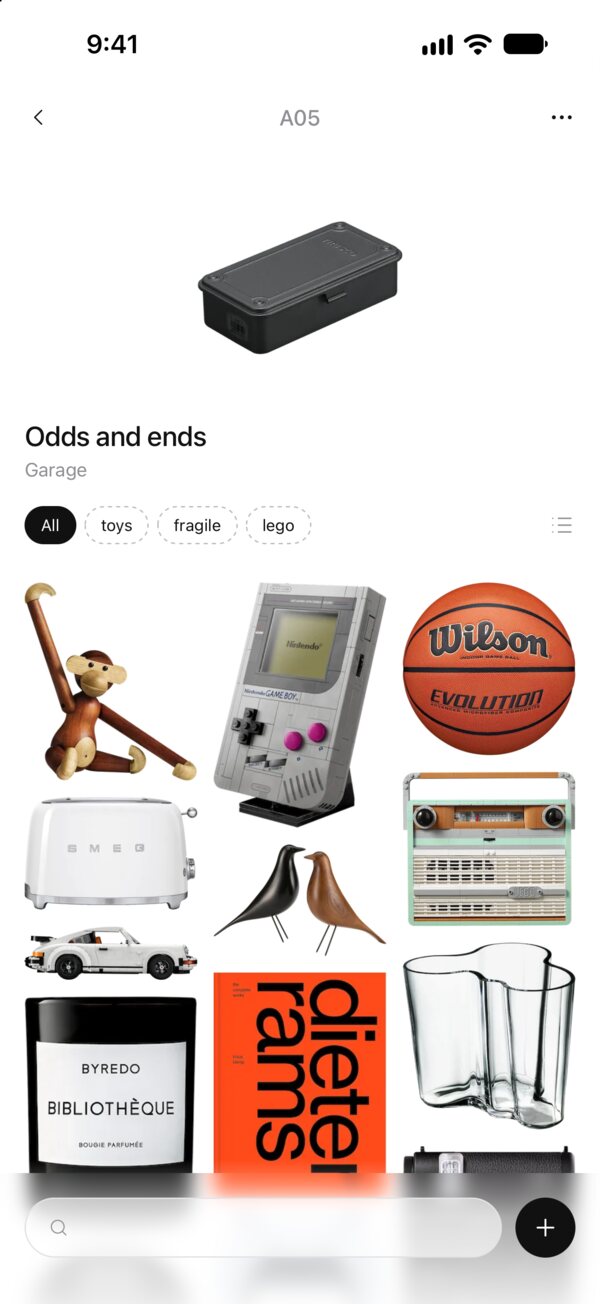
Photograph it once, keep it on your phone
BoxRay stores a photo of every item, sorted by box and location, and backs it up to your account. Add a note to any item, such as a serial number or what it cost, and export everything as a spreadsheet (CSV) from Settings.
Download on the App StoreFree for your first five boxes. iPhone and iPad.